
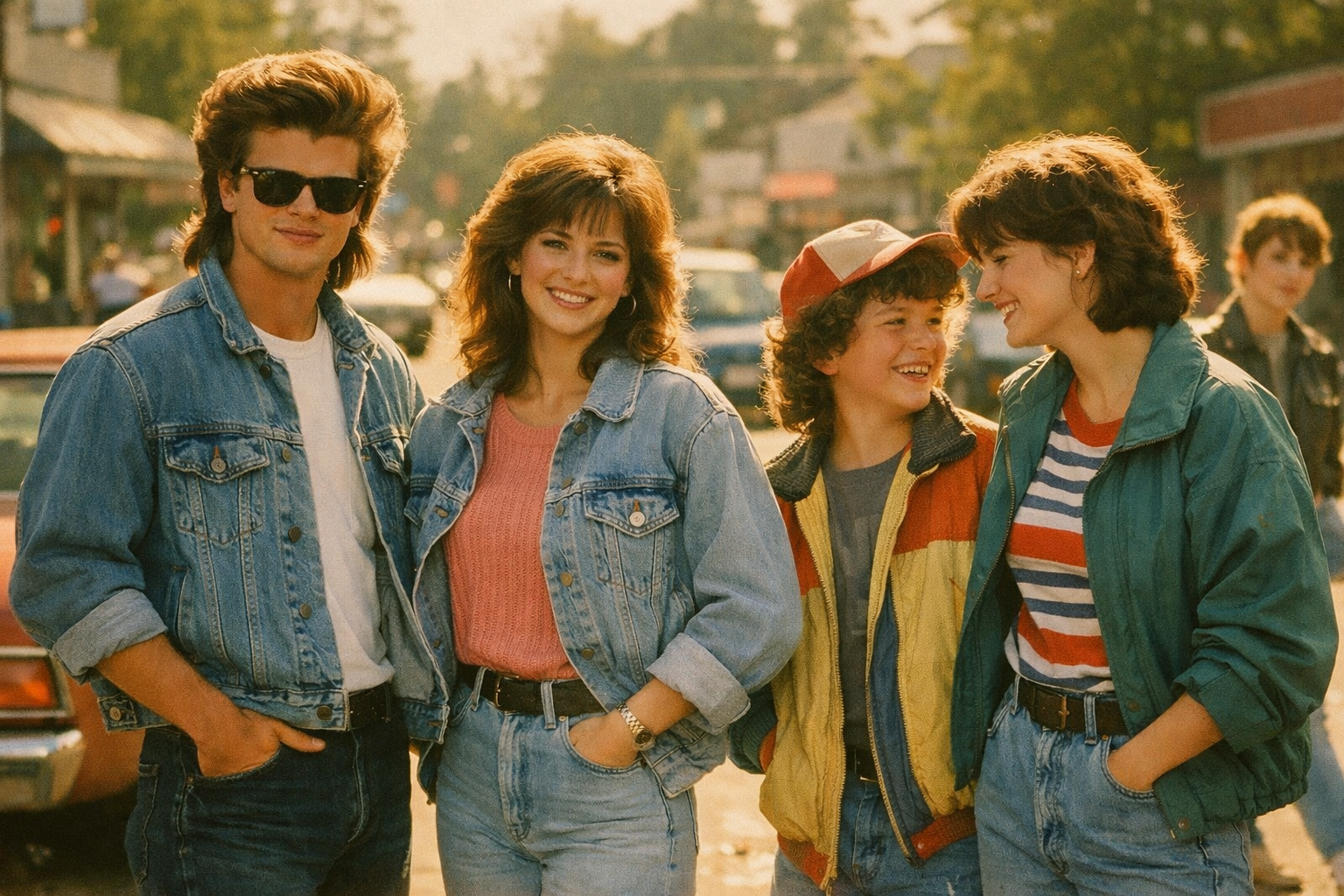
There are TV shows you watch, and then there are TV shows that quietly influence how you dress, talk and eventually, how you wear your hair.
Stranger Things is firmly in the second category.
As the final season approaches, the cultural ripple effect is already visible. Fashion is swinging back to retro silhouettes, music from the 80s is climbing playlists again, and hairstylists across the world are hearing familiar references in salons:
“Something like Steve’s hair.”
“Kind of like Nancy’s, but modern.”
“That messy, natural thing Dustin has.”
What’s interesting isn’t that 80s hairstyles are back — it’s how they’re back. Softer. More wearable. And heavily informed by professional technique.
Let’s break down the most iconic Stranger Things hairstyles and why they’re influencing modern hair trends again.
Steve Harrington: The Volume King Returns
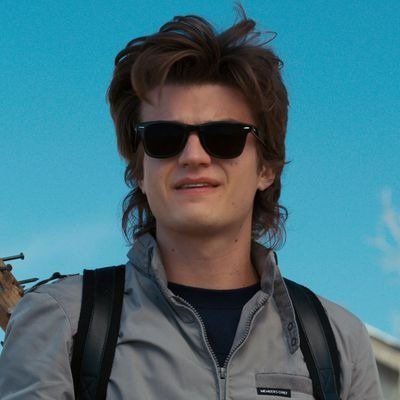
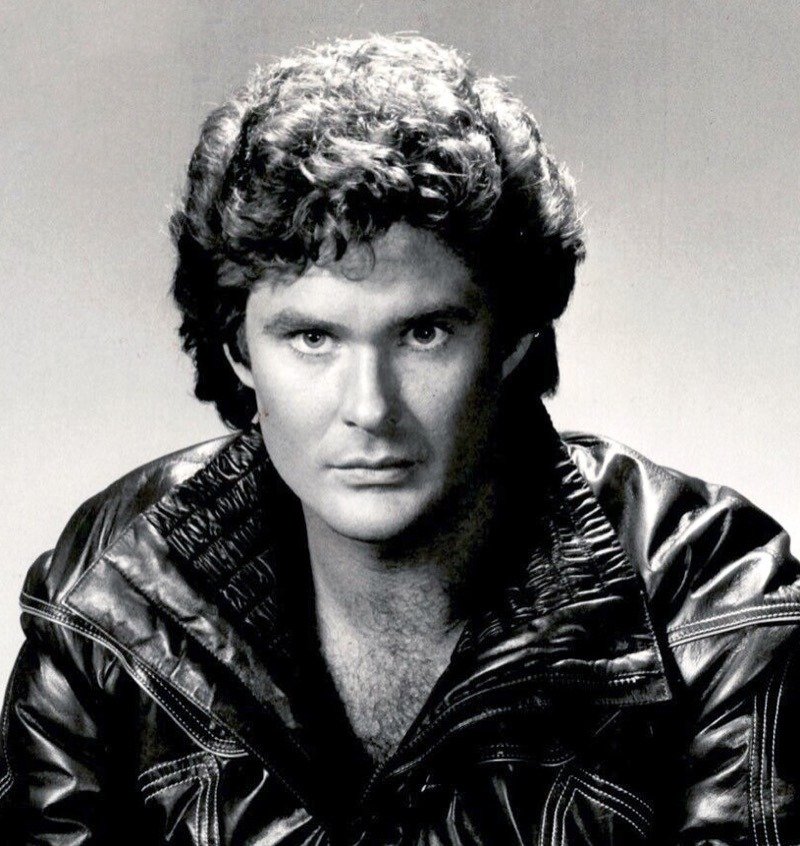
Steve Harrington’s hair deserves its own credit in the opening titles.
That thick, voluminous, slightly tousled look — once pure 80s heartthrob — has now become the blueprint for modern men’s styling. Today, it translates into textured quiffs, soft blowouts, and layered medium-length cuts for men.
Why it works now:
- Embraces natural volume instead of over-styling
- Looks effortless but intentional
- Ages well across face shapes
The professional angle:
This look is built on layering, elevation, and controlled blow-drying — not just product. At academies like Bodycraft, students are taught how volume is engineered, not guessed, using sectioning, direction, and brush control.
Nancy Wheeler: Soft Layers, Serious Comeback
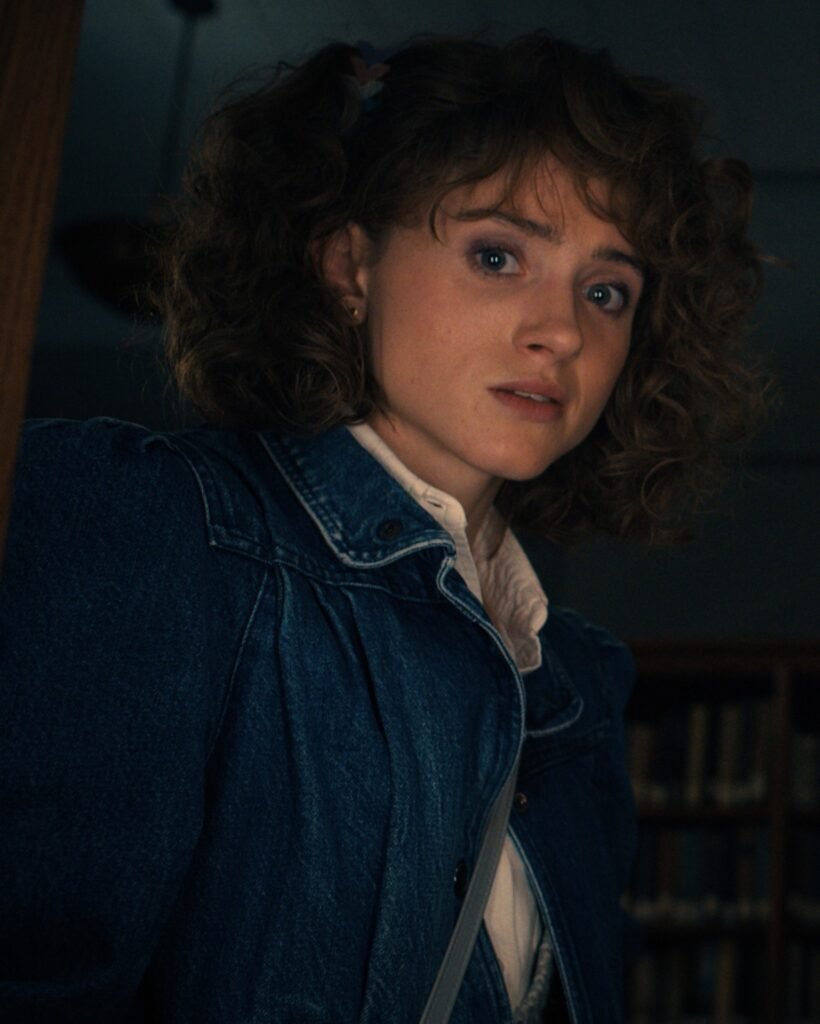
Nancy’s hair evolution mirrors what many women are choosing today — structured layers that frame the face without feeling heavy or stiff.
Her signature look?
- Feathered layers
- Natural movement
- A practical, lived-in finish
This style has returned in modern forms like soft butterfly cuts, long face-framing layers, and blow-dry–friendly shapes.
Why it’s trending again:
Women want hair that looks good without daily styling marathons.
The professional angle:
Layering like this requires precision. One wrong angle and the hair loses balance. This is why professional training focuses on weight distribution, fall direction, and long-hair architecture — skills that define whether a layered cut looks timeless or dated.
Robin Buckley: The Rise of the Androgynous Crop
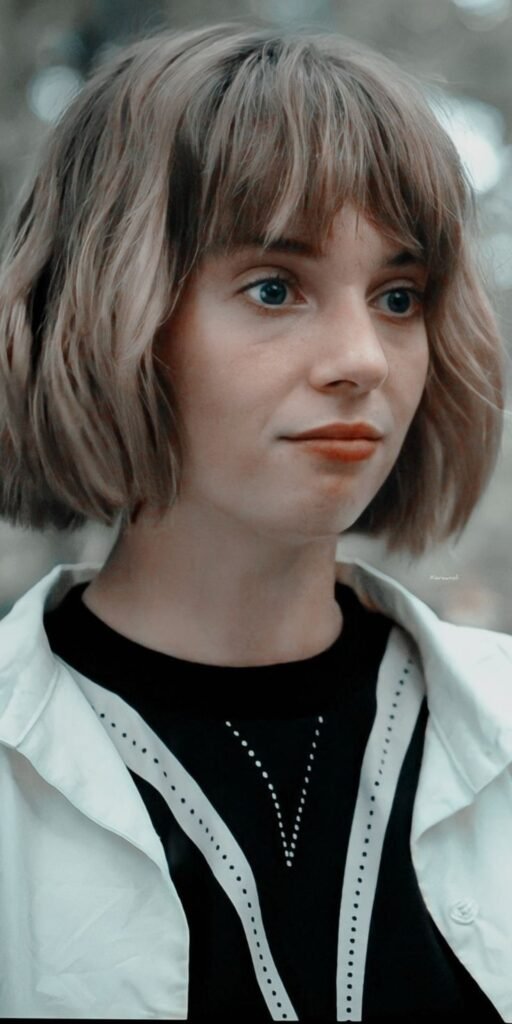
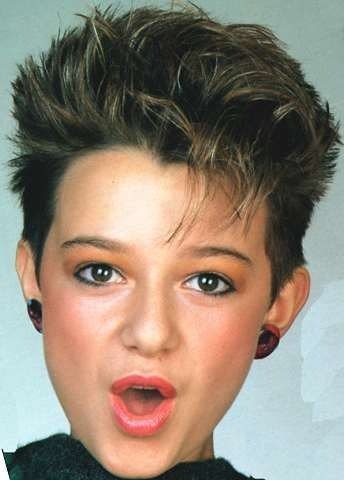
Robin’s short, slightly messy haircut brought back something the beauty industry had softened for years — confidence in unconventional silhouettes.
Today, her influence is visible in:
- Modern pixies
- Bixies (bob + pixie hybrids)
- Short textured crops
Why it resonates now:
- Gender-fluid fashion is mainstream
- Short hair feels freeing, expressive, and bold
- Less maintenance, more personality
The professional angle:
Short haircuts are among the hardest to execute. Every millimetre shows. This is why structured training — like what Bodycraft Academy offers — emphasises short-hair geometry, perimeter control, and texture mapping.
Dustin Henderson: Texture Over Perfection
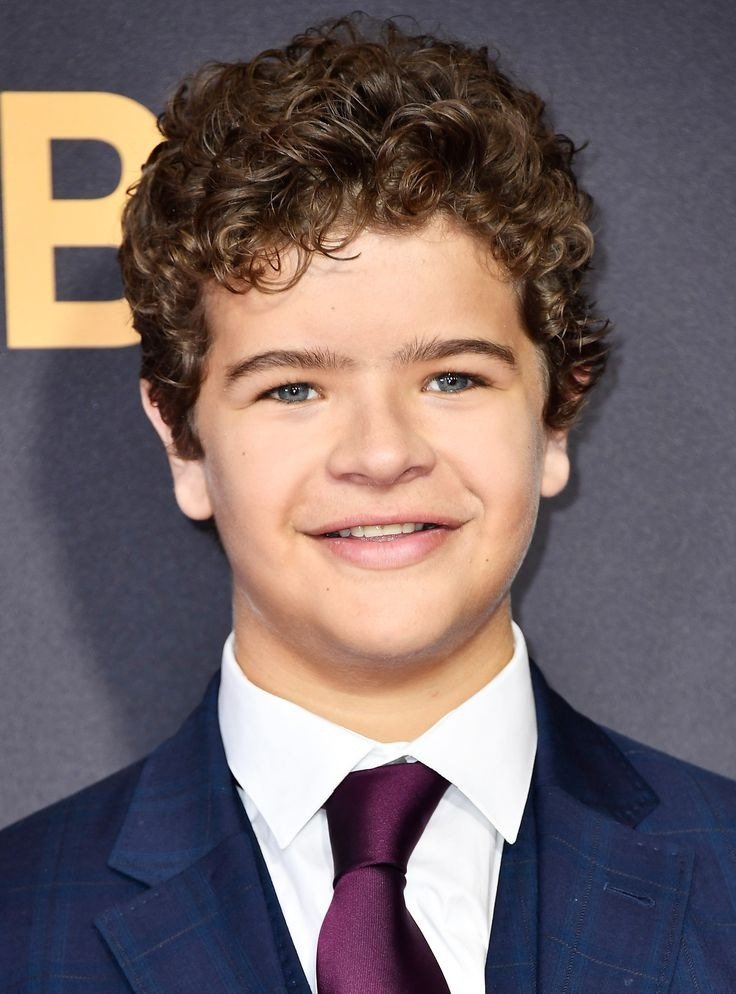
Dustin’s curls were never polished — and that’s exactly why they mattered.
In 2026, natural texture is no longer something to “fix.” It’s something to enhance. Curly, wavy, and coiled hair is being worn with pride, movement, and minimal manipulation.
Why this trend stuck:
- Curl acceptance movements gained momentum
- Heat fatigue pushed people toward healthier styling
- Texture feels authentic and expressive
The professional angle:
Understanding curls means understanding porosity, elasticity, hydration, and shrinkage. These are core modules in professional hairstyling education, ensuring stylists work with texture, not against it.
Eleven: The Beauty of Simplicity
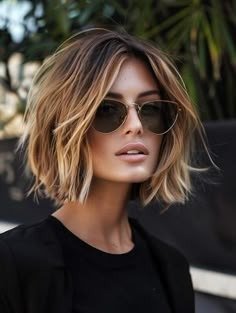
Eleven’s later-season hairstyles — simple bobs, natural growth, minimal styling — quietly echo a modern movement: less but better.
Clean shapes. Healthy hair. Minimal interference.
Why it works:
- Health-first beauty is rising
- Hair care matters as much as haircuts
- Clean silhouettes photograph beautifully
The professional angle:
Simplicity demands discipline. Clean bobs and natural finishes reveal every mistake. This is why academies train students in finishing techniques, tension control, and maintenance-focused cutting.
Why the Stranger Things Effect Feels Different This Time
Unlike earlier retro revivals, this one isn’t about copying the 80s. It’s about adapting it.
- Softer edges
- Better tools
- Healthier hair practices
- Professional interpretation
This is where education matters.
At Bodycraft Academy, students don’t just learn trends — they learn why a look works, how to adapt it to modern clients, and how to make it wearable in today’s climate, lifestyle, and expectations.
From Pop Culture to Professional Skill
What Stranger Things reminds us is simple:
Great hairstyles are emotional. They tell stories. They make people feel seen.
But bringing those styles to life — in salons, on real clients — requires training, technique, and understanding.
That’s why professional academies focus on:
- Retro-to-modern adaptation
- Face-shape and hairline analysis
- Texture-specific cutting
- Finish and longevity
- Client consultation
Because trends may come from TV screens — but careers are built in classrooms.
Final Thoughts
The Stranger Things effect isn’t just about nostalgia. It’s about rediscovering individuality, texture, and confidence — through hair.
As 80s-inspired styles continue to evolve, one thing is clear: the best versions of these looks are created by stylists who understand both culture and craft.
And that’s where professional training makes all the difference.