
Sometimes, having a good hair day can really make anybody’s day, it boosts confidence and makes people feel great about themselves, but this can be subject to many factors such as weather, styling skills, a haircut or a trim at the right time.
The only other ‘good hair day’ happens when we freshly come out of the salon. The way they set the hair, the shine, the flow and the way they fall perfectly begs the question: why does the hair styled at home feel so drastically different than the ones styled by professionals at the salon?
Let us break down what changes between the two settings on Salon hairstyle vs DIY hairstyle and how we can bridge the gap to get the look we always aim for.
This guide breaks down the real difference between everyday hairstyles and professional salon styles and why those differences matter for both clients and aspiring stylists.
Intent & Purpose: Convenience vs. Crafted Styling
- Everyday hairstyles focus on one thing, getting through the day comfortably.
– A ponytail, quick braid, or messy bun is about practicality, speed, and ease. - Salon styles however, are crafted with intention.
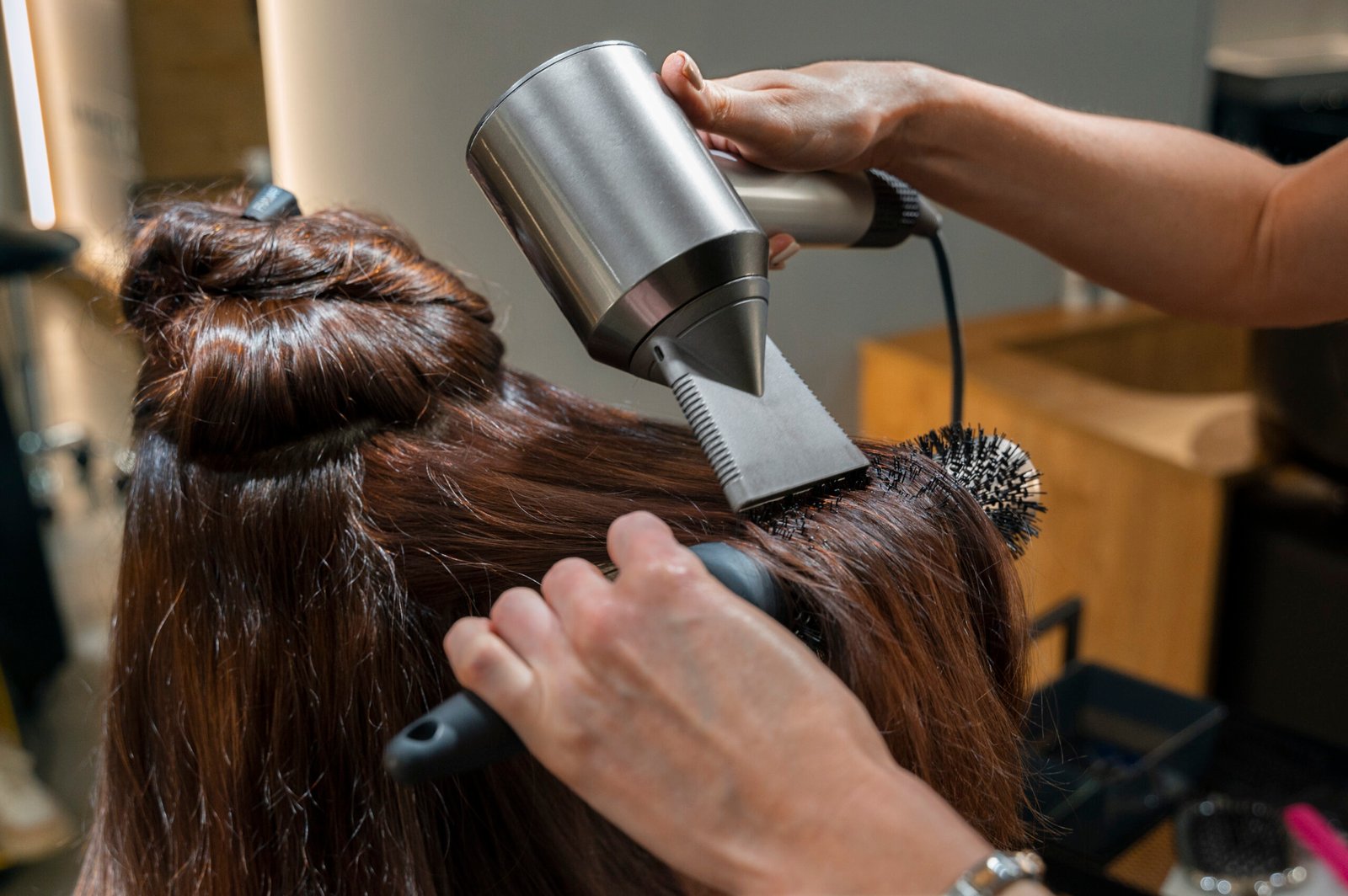
– Professionals consider face shape, hair density, growth patterns, and even the event or outfit. Every style, even a simple blow-dry is structured to add volume, polish, and balance.
Why this matters: A salon-trained stylist isn’t just doing your hair.
They are designing a look that elevates your features and stays intact for hours (or days).
That’s why even a subtle salon finish feels different.
Technique & Knowledge: Guesswork vs. Trained Skill
At home, hair styling is usually based on habit.
Wrap, tie, twist, comb, blowdry and hope for the best.
But professional stylists work with hair anatomy and scientific technique.
At Bodycraft Academy, students learn to:
- Analyse hair texture & porosity
- Understand scalp health and hair growth direction
- Elevate and angle sections correctly
- Layer, remove weight, or add movement
- Use the right heat levels for different hair types
This technical foundation is what separates a quick DIY style from a salon finish that looks intentional, smooth, and long-lasting.
Tools & Products: Home Essentials vs. Salon Grade Systems
Your home kit likely includes a regular comb, a basic brush, and one heat tool.
A professional stylist works with an advanced toolkit:
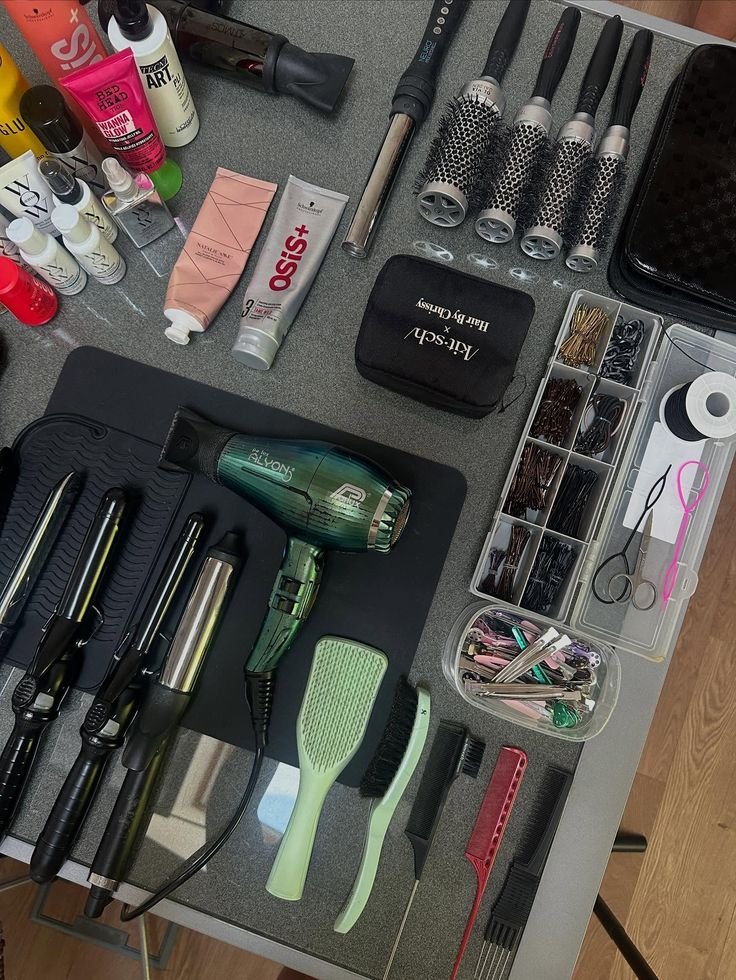
- Ionic blow-dryers
- Round, paddle & vent brushes
- Sectioning clips
- Straighteners & curlers with heat control
- Texturising sprays
- Serums, protectants & finishing mists
- Tailored products for treated, curly, coloured, or dry hair
Better tools + correct technique = better fall, gloss, structure, and longevity.
This is exactly why Bodycraft Academy trains students extensively on tool handling and product mapping knowing what to use and when to use it.
Customisation: Generic Styling vs. Face Framing Precision
Everyday hairstyling follows a one-size-fits-all pattern: “This is what works for me.”
But professional salon styles are customised down to the millimetre.

A stylist decides :
- Where layers should begin
- How to frame the face
- How much volume to create
- Where to part the hair
- How to balance the style with facial proportions
This tailored approach is what makes your cut or style suddenly feel “right” for you.
Quick Fix vs. Long Lasting Design
Everyday hairstyles usually fade by midday, they flatten, frizz, or lose their shape as the day progresses
Salon styles, however, are engineered for long-term hold.
With correct prepping, controlled heat usage, and a professional finish, they last longer, survive humidity better, and maintain shape after multiple washes.
At Bodycraft Academy, students are trained to create styles that not only look good immediately but stay good because longevity is a key part of professional styling.
Hygiene, Safety & Professional Standards
Here’s where the biggest difference lies.
At home, small hygiene steps are often overlooked like cleaning brushes regularly, sanitising heat tools, or prepping the scalp correctly. Over time, this can quietly affect hair health, leading to dullness, stress on strands, or irritation.
In a professional environment, however, hygiene and safety are non-negotiable.
Salon-trained stylists follow protocols for:
- Sanitized Brushes
- Clean tools
- Safe heat usage
- Proper chemicals handling
- Scalp-friendly sectioning and tension
- Client comfort & safety
This is why salon results tend to look healthier and last longer, the process itself protects your hair.
Why This Difference Matters for Aspiring Stylists
The modern client expects their stylists to understand and analyse their hair better, with both technique and care, especially in tier 1 cities such as Bangalore, Mumbai, Delhi and Pune, where the beauty industry is booming and rapidly expanding.
This is why professional training is crucial.
At Bodycraft Academy, students don’t just learn how to “make a hairstyle.”
What they learn at our Hair course
- Precision cutting
- Heat & tool mastery
- Hygiene protocols
- Styling for different hair textures
- Client consultation skills
- Product mapping
- Scalp & hair structure
- Long-term hair care guidance
These are the core skills that separate a beginner from a career-ready stylist. Once you acquire these skills, Bodycraft Academy also helps launch your professional career through various opportunities.
Everyday Styling Is Useful, but Professional Styling Is Transformative
Both everyday hairstyles and salon styles have their place.
But only one is built on:
- Precision
- Anatomy
- Customisation
- Professional technique
- Safety
- Longevity
If you want to create salon-level looks or build a career in hairstyling learning these skills formally is essential.
And that’s exactly where Bodycraft Academy steps in, with structured, hands-on training that prepares you for real clients, real trends, and real industry success even if you’re a complete beginner. Enroll now
FAQs: Professional Salon Styles vs. Everyday Hairstyles
Salon Professionals are trained in understanding all types of hair and growth patterns and can adapt well, based on that they choose their cutting style, controlled heat methods as well as finishing products to lock in that shape and texture.
Yes, but not always.
The final look at a salon is a result of sectioning, tension, heat control, and blow-dry direction with precision. Professional hair styling courses, such as those provided by Bodycraft Academy, teach these techniques step-by-step, even if you’re starting from scratch.
A salon blow-dry is the manifestation to our actual structured processes (sectioning, elevation angles and round brushing) that built up to the dryer work. The dryers that they are using in these salons are also typically very high end. The styling you do at home on an everyday day, might lack these ingredients, which can lead to frizzy and uneven hair.
In the long term, harmful repetitions of tight tying, over brushing and incorrect heat use etc can dry out or break hair.
Yes. Clients generally receive advice on aftercare, suggested products, trimming cycles, and style preservation from stylists and accredited academies.
Personalisation. Before selecting a technique, salon professionals examine the face shape, hair texture, its density, personality, and the health of your hair. Because everyday styling typically prioritises convenience over structure, the final product has a different appearance.
Yes. You can improve your daily styling with even simple ideas like sectioning, heat control, and brushing techniques. Before pursuing a career path, many students enroll in Bodycraft Academy’s entry-level courses to improve their personal styling.
Not only will you be able to create better hairstyles, but you will also be able to implement your new skills and begin as a professional through Bodycraft Academy.